
The View from the Palace
Nebuchadnezzar's story reminds us how easily success can become self-reliance, and how humility often begins with seeing ourselves rightly.
There is a moment in the story of Nebuchadnezzar that feels strikingly familiar.
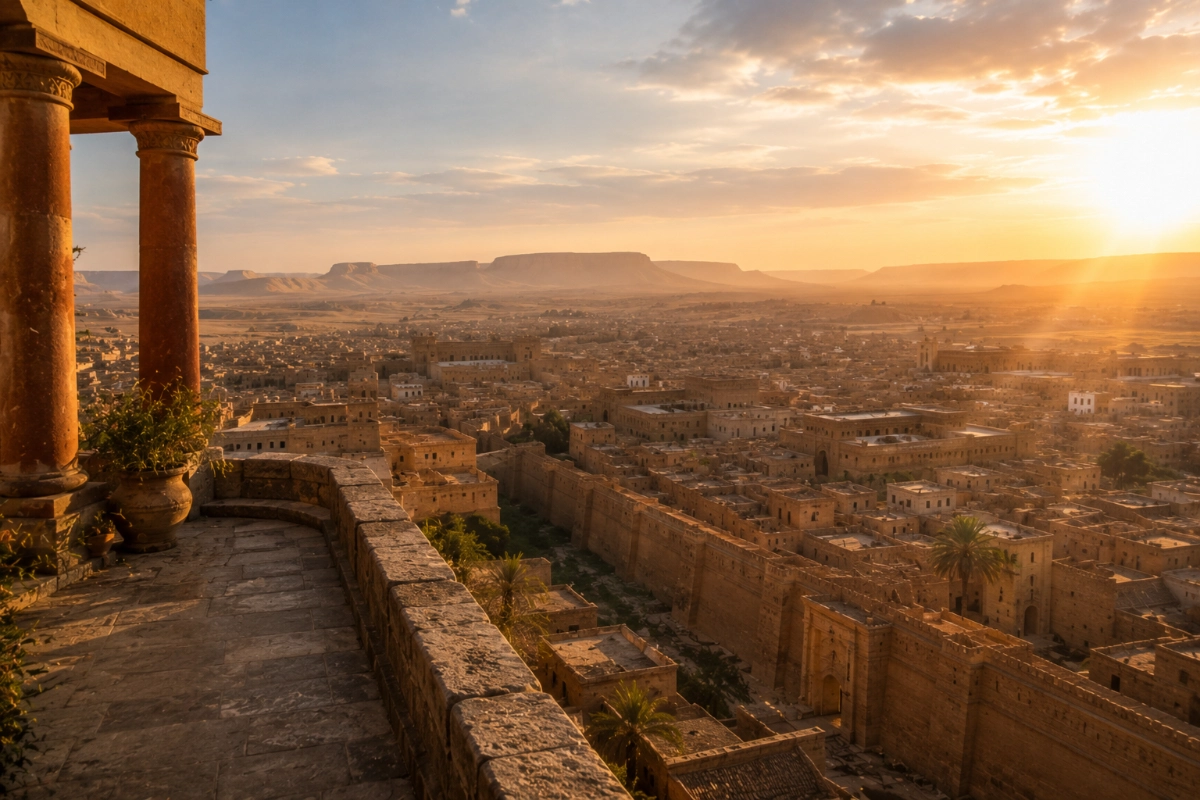
The king stands upon the roof of his palace and looks across the city he has built. Before him lies wealth, achievement, influence, and power. Everything visible seems to confirm his success.
And then he speaks.
"Is not this the great Babylon I have built?"
The Illusion of Ownership
What makes the story powerful is not that Nebuchadnezzar was successful. Scripture does not condemn craftsmanship, leadership, or achievement.
The danger appears when achievement becomes possession. When gratitude quietly gives way to self-congratulation.
As artists, builders, and makers, we understand the satisfaction of creating something meaningful. Yet the story asks a deeper question: do we remember the Source behind our gifts?
Nebuchadnezzar's problem was not that he built. It was that he believed he stood alone.
Learning from the Wilderness
The king's journey eventually leads away from the palace and into the fields.
The man who once ruled nations finds himself among the grass and the open sky. The story slows down. The noise of accomplishment fades.
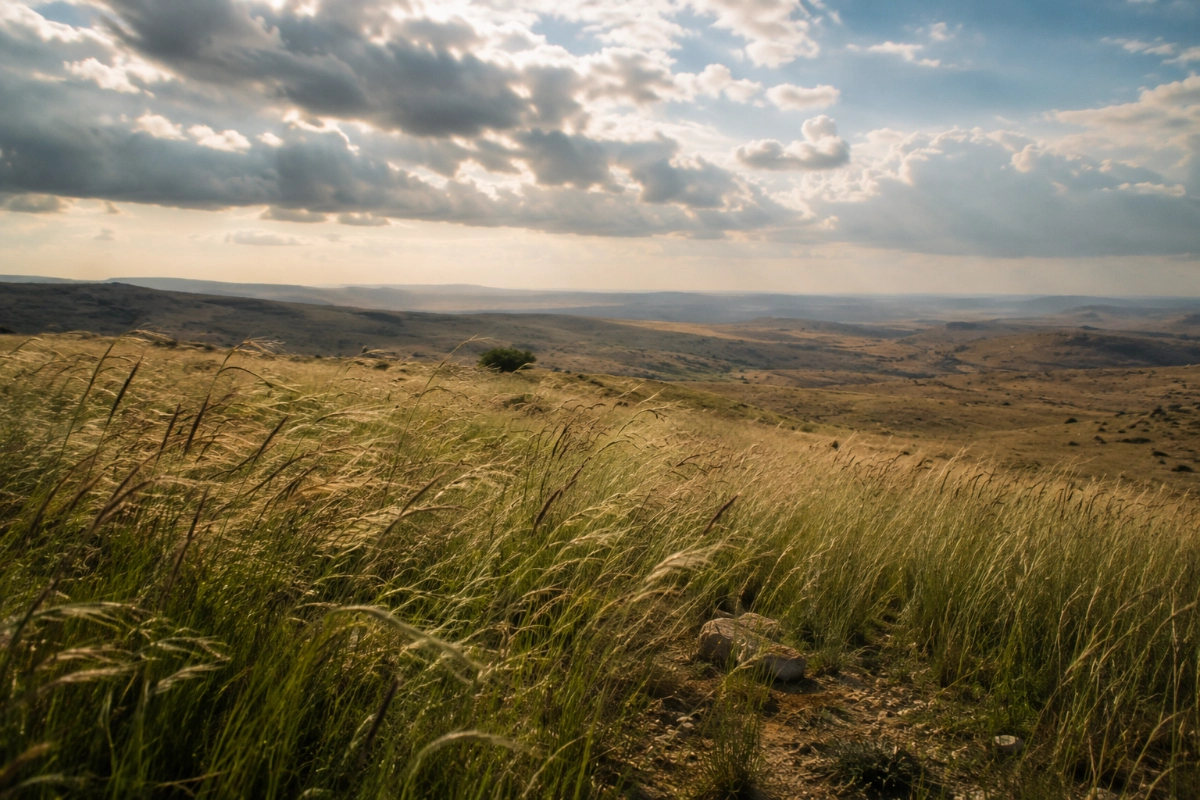
Nature has a way of restoring perspective.
A mountain does not know our titles. A field does not measure our status. The wind moves across kings and shepherds alike.
Sometimes humility grows where certainty is stripped away.
Looking Up Again
The turning point comes when Nebuchadnezzar lifts his eyes.
Only then does he begin to see clearly.

The story is not ultimately about humiliation. It is about restoration. It is about remembering that human achievement, however impressive, is never the foundation beneath our feet.
Humility is not thinking less of what we have done. It is remembering that every gift, every opportunity, and every breath began as grace.